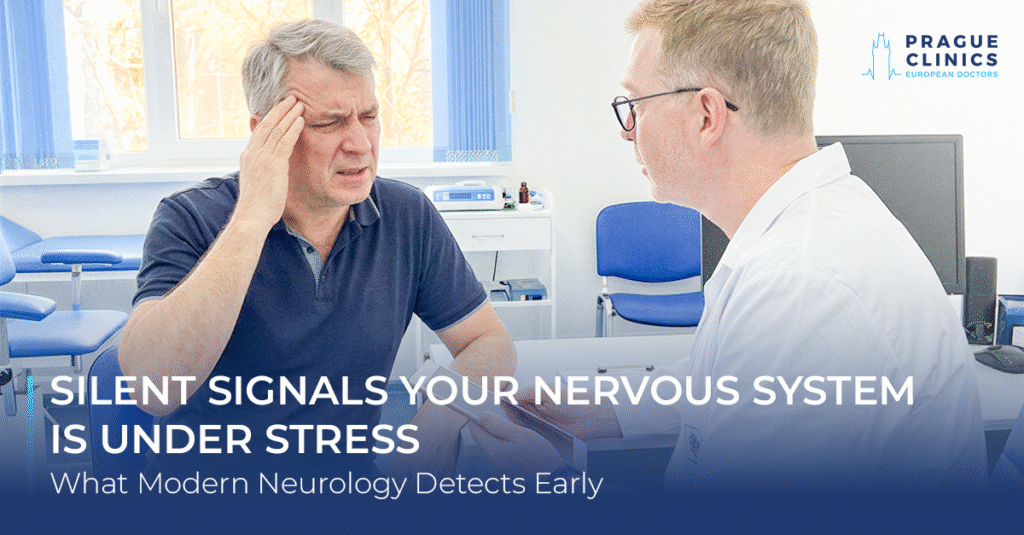
Silent Signals Your Nervous System Is Under Stress — What Modern Neurology Detects Early
The nervous system doesn’t always speak loudly. It rarely starts with strong symptoms or dramatic episodes. Instead, it communicates through small, subtle changes — signals many people overlook until stress builds up. These early signs help doctors understand how the body is coping long before symptoms interfere with daily life. Family physicians often see these patterns first. Patients describe “strange sensations,” “random discomfort,” or “a feeling that something is off.” These silent signals are how the body asks for rest, better routines, or a closer look at stress levels. Recognizing them early prevents long-term discomfort and keeps the nervous system regulated. Understanding the difference helps parents respond early and avoid unnecessary discomfort for their child. European family medicine places strong emphasis on recognizing patterns rather than isolated symptoms. When allergies are identified early, children experience fewer flare-ups, better sleep, improved focus at school, and reduced risk of complications such as sinus infections or eczema worsening. Things Discussed in This Blog Early nervous system stress symptoms How stress affects the autonomic nervous system What subtle signs people often ignore How family medicine interprets early nervous system imbalance Practical ways to regulate the nervous system When to seek medical evaluation What Are the Silent Signals of a Stressed Nervous System? Silent nervous system stress symptoms include short episodes of dizziness, tingling, restlessness, sleep disruption, tension headaches, rapid heartbeat during stress, and increased sensitivity to noise or light. These early signs reflect how the autonomic nervous system reacts to ongoing pressure. The Nervous System Reacts Before You Do The nervous system manages breathing, heart rate, digestion, sleep rhythm, and emotional response. When stress rises, the autonomic nervous system shifts into a more alert state. This does not always feel dramatic. Instead, it produces quiet, early indicators. Common nervous system stress symptoms include: brief tingling in hands or face mild dizziness when standing quickly sudden muscle twitching tension around the jaw or neck trouble falling asleep waking up tired feeling “wired” even when exhausted restlessness or difficulty sitting still stronger reactions to noise or bright light short episodes of rapid heartbeat during stress These signs are the body’s way of signalling that the system is working harder than usual. Why Stress Creates Silent Neurological Signals When the autonomic nervous system senses ongoing pressure, it shifts between “alert mode” and “recovery mode.” If the balance leans too far toward alertness, small neurological symptoms appear. Stress affects: • Blood flow to the brain and nerves Causing dizziness, fogginess, or brief light-headedness. • Muscle tension Leading to jaw clenching, back tightness, or tension headaches. • Sleep regulation Making it harder to fall asleep or stay asleep. • Nerve sensitivity Triggering tingling, twitching, or skin sensitivity. • Breathing patterns Shallow breathing increases anxiety-driven symptoms. These symptoms are the early signals of autonomic nervous system stress, not signs of serious disease in most cases. Proper evaluation helps determine whether stress is the main trigger or whether another cause needs attention. How Family Medicine Identifies Nervous System Imbalance Early Family physicians look at symptoms as patterns, not isolated events. Short-lived neurological sensations often point to lifestyle pressure, sleep disruption, or increased muscle tension. Doctors evaluate: sleep quality work intensity hydration nutrition pattern caffeine intake screen exposure emotional load recent illness or travel Understanding these details helps assess whether symptoms are stress-triggered or require further investigation. At Prague Clinics – European Doctors, European-trained family physicians guide patients through these early signs with calm, clear explanations. The focus is on identifying nervous system strain early and preventing symptoms from becoming disruptive. How to Regulate the Nervous System Many patients ask how to improve these symptoms without medication. There are simple, effective ways to regulate the nervous system and bring it back to balance: 1. Improve sleep structure Consistent sleep time stabilises the autonomic nervous system. 2. Hydrate enough Low hydration contributes to dizziness and fatigue. 3. Reduce stimulants Excess caffeine heightens nerve sensitivity. 4. Use slow breathing techniques Helps reset heart rate and calm the alert response. 5. Break long work sessions Short pauses reduce muscle tension and improve focus. 6. Loosen muscle tension Gentle stretching releases nerve pressure around the neck and back. 7. Keep meals regular Skipping meals creates blood sugar dips that mimic neurological symptoms. These steps reduce early nervous system imbalance signs and relieve many symptoms before they grow. When These Symptoms Need Medical Attention Most early nervous system stress symptoms improve when lifestyle pressure is addressed. However, medical review is important when symptoms: persist daily increase over time interfere with sleep or concentration involve continuous numbness come with strong headaches affect one side of the body appear after an illness or injury Early evaluation prevents long-term worry and ensures symptoms are monitored properly. FAQs 1. Why do symptoms appear even when I don’t feel stressed? The nervous system reacts before the mind does. Sleep disruption, workload, dehydration, or skipped meals trigger early neurological symptoms even when stress is not consciously felt. 2. Are these symptoms a sign of nerve damage? Most early symptoms are related to nervous system overactivity, not nerve injury. Family physicians identify whether symptoms reflect stress or need further testing. 3. Why do symptoms appear at night or before sleep? When the body slows down, underlying tension becomes more noticeable. This is a common sign of autonomic nervous system imbalance. 4. Can these symptoms improve without medication? Yes. Regulating sleep, hydration, muscle tension, and breathing patterns significantly calms the nervous system. Medication is rarely needed for early symptoms. Understanding the Body’s Early Signals The nervous system communicates quietly, long before symptoms become disruptive. Noticing these early signals helps patients understand what their body needs and prevents stress from building into larger problems. At Prague Clinics—European Doctors, family physicians evaluate these subtle signs with clarity, helping patients restore balance and respond early. Early allergy recognition brings relief, stability, and better daily comfort. European-style family medicine supports parents with clear explanations, organised evaluation, and conservative treatment strategies. Clinics like Prague Clinics—European Doctors provide this approach
Silent Signals Your Nervous System Is Under Stress — What Modern Neurology Detects Early Read Post »