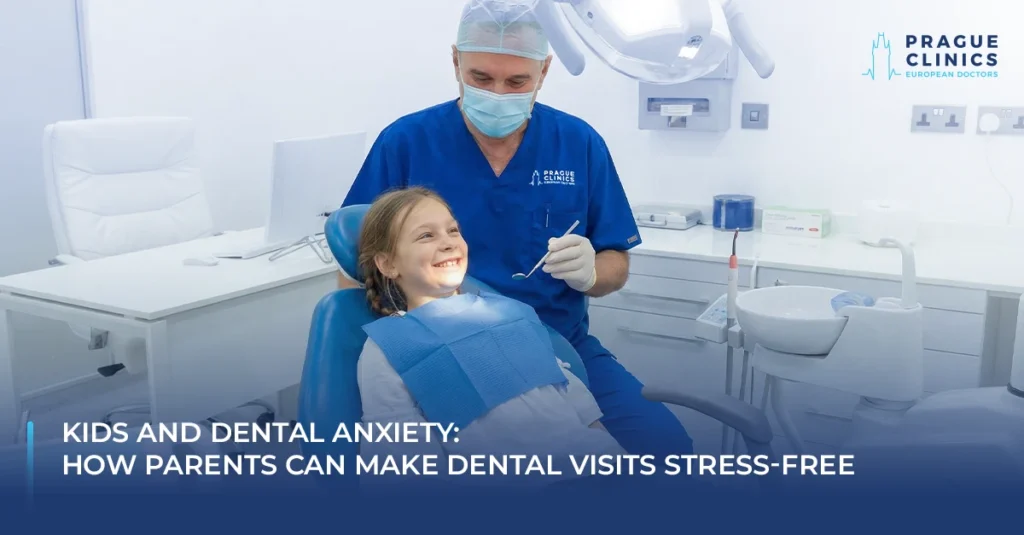
Dental anxiety is common among children and can develop early, often influencing how they perceive oral healthcare well into adulthood.
Fear of unfamiliar environments, anticipation of pain, or previous negative experiences can make dental visits stressful for both children and parents.
Addressing this anxiety early plays an important role in building positive long-term dental habits.
With the right approach, dental visits can become a routine and manageable part of a child’s healthcare experience.
Things Discussed in This Blog
- Why Do Dental Anxiety Develop in Children?
- The Importance of Early and Positive Experiences
- How Can Parents Prepare Their Child?
- The Role of the Dentist in Managing Anxiety
- Safety and Clinical Oversight
Why Do Dental Anxiety Develop in Children?
Children may associate dental visits with discomfort, loud instruments, or loss of control. Even indirect influences such as hearing anxious conversations or observing parental stress can shape their expectations.
Younger children, in particular, may struggle to understand why dental care is necessary, increasing apprehension.
Early exposure to pediatric-friendly dental care helps normalise dental visits and reduces fear over time.
The Importance of Early and Positive Experiences
Introducing children to dental care at an early age allows them to become familiar with the environment before complex procedures are required.
Routine visits focused on examination and prevention help build trust between the child and the dentist.
Consistent preventive dental check-ups for children also enable early detection of issues while reinforcing the idea that dental visits are a normal part of healthcare rather than something to fear.
How Can Parents Prepare Their Child?
Preparation begins at home. Parents can:
- Use simple, age-appropriate language to explain what to expect
- Avoid words that may increase fear, such as “pain” or “injection”
- Encourage questions and answer them calmly
- Schedule appointments when the child is well-rested
Maintaining a calm and reassuring attitude helps children feel secure and more cooperative during visits.
The Role of the Dentist in Managing Anxiety
Dentists trained in pediatric care use techniques designed to reduce stress, including clear communication, gradual introduction of instruments, and allowing children to feel involved in the process.
These approaches help children feel more in control and supported.
Choosing dentistry services experienced in treating children ensures that both clinical care and emotional comfort are addressed appropriately.
Safety and Clinical Oversight
Children who develop positive dental experiences are more likely to maintain regular dental visits as adults.
This continuity supports better oral health outcomes, reduces the need for complex treatments later, and lowers overall healthcare anxiety.
Managing dental fear early is therefore not only about the present visit, but about establishing a foundation for lifelong oral health.
Summary
Dental anxiety in children is common but manageable. Through early exposure, thoughtful preparation, and supportive dental care, parents can help their children develop confidence and comfort during dental visits.
Addressing anxiety proactively allows dental care to become a positive and routine part of a child’s overall health journey.